
Why Plastic Packaging Sustainability Defines the Future of Business
In the era of the circular economy, sustainability is no longer just a trend—it is the strategic cornerstone for creating long-term business value. For industries reliant on plastic, particularly Polypropylene (PP), adopting plastic packaging sustainability is the key to remaining relevant amidst tightening environmental regulations and increasingly discerning consumer demands.
ESG: Beyond Ethics, It’s About Profitability
Environmental, Social, and Governance (ESG) principles have become vital indicators of corporate health. Proper ESG implementation doesn’t just minimize ecological impact; it fortifies business fundamentals:
Enhanced Margins: Research from Accenture shows that companies with high ESG performance record average margins 3.7 times higher than their competitors.
Shareholder Value: A global survey by McKinsey confirms that 83% of C-suite executives and investment professionals believe ESG programs will generate more shareholder value over the next five years.
Business Resilience: Companies that prioritize sustainability possess stronger risk control and more visionary leadership.
Within the context of plastic packaging sustainability, utilizing 100% recyclable PP material is a concrete step toward reducing your carbon footprint while optimizing your supply chain efficiency.
Our Evolution: Transforming Challenges into Circular Innovation
Since our inception, PT Sinar Mulia Plasindo Lestari (SMPL) has continuously grown as a leader in plastic packaging manufacturing. However, we believe that true growth is not merely measured by production capacity, but by our profound responsibility toward the planet.
Our Sustainability Turning Point
The modernization of our production technology brought our capacity to new heights, yet it presented a significant challenge: an increase in production waste (afval). We realized that operational efficiency must not come at the cost of environmental degradation. This realization became the catalyst for SMPL’s full commitment to redefining the essence of plastic packaging sustainability.
Toward a Zero-Waste Target
We are not just striving to reduce waste; we are pivoting toward an aggressive circular economy model. Our strategy includes:
Active Reduction: Optimizing machine precision to minimize production scrap directly at the source.
Integrated Recycling: Reprocessing production remnants into high-value, functional resources.
Zero-Waste Vision: A steadfast ambition to eliminate production waste destined for landfills.
Through this dedicated approach, SMPL ensures that every package we produce is a concrete step toward a cleaner, greener, and more sustainable future.
Material Transformation: Turning Waste into Premium Feedstock
At SMPL, we do not view used plastic as waste; we see it as a valuable resource. Through an integrated management system, we apply a holistic approach to ensure the plastic packaging sustainability and lifecycle of Polypropylene (PP) materials.
Closed-Loop Manufacturing & PCR Processing
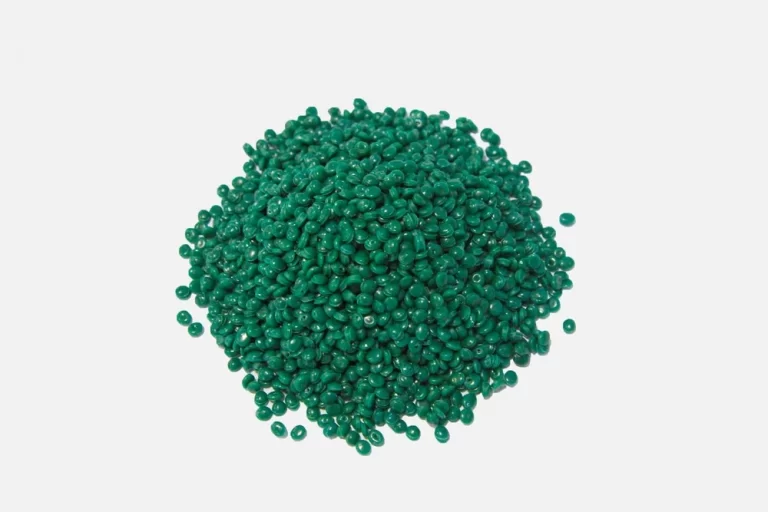
We ensure that both PIR (Post-Industrial Recycled) remnants and PCR (Post-Consumer Recycled) waste are reprocessed into high-quality plastic resins. This initiative is a tangible step in our support for sustainability through a measurable circular economy model.
Standardization & PP Material Classification
To guarantee consistent material performance, we implement a rigorous classification system for the PP regrind (shredded plastic) we receive:
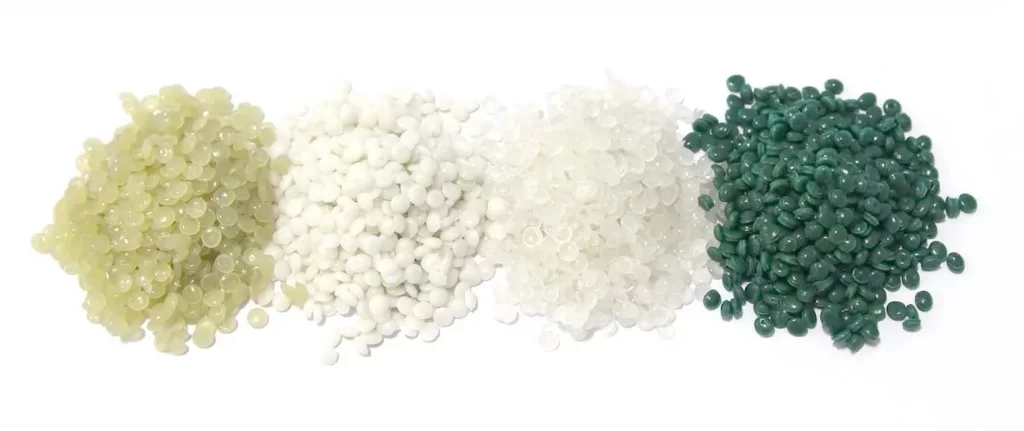
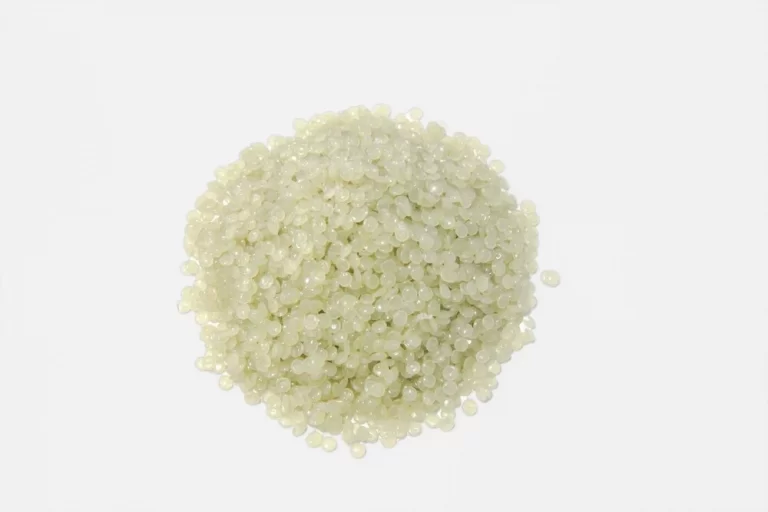
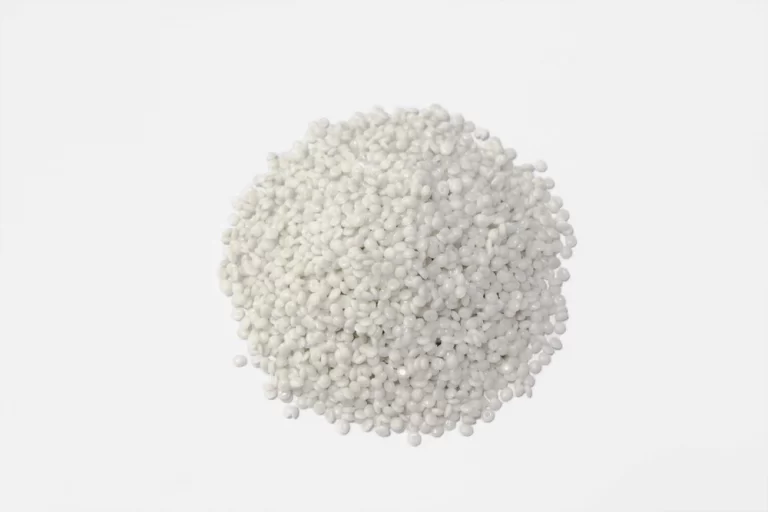
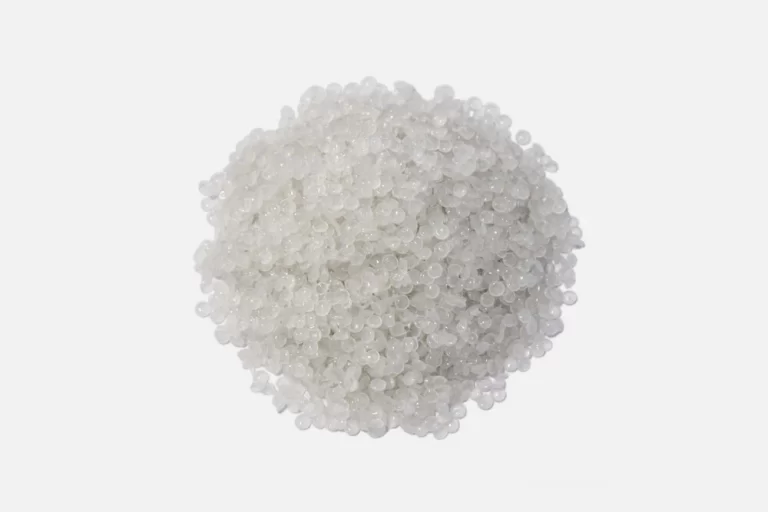
Grade 1 (Premium Clear): Sourced from transparent mineral water cups (without lids), producing resins with maximum clarity.
Grade 2 (Standard Mix): Processed from complete mineral water cups, ideal for various industrial product applications.
Grade 3 (Opaque/Special Color): Focuses on white or colored plastic cups (such as tea packaging), optimized for products with specific color requirements.
By integrating supply from the local collector ecosystem, SMPL plays an active role in environmental remediation while providing eco-friendly raw material solutions for the manufacturing industry.
Precision Engineering: The PP Material Transformation Journey Toward Zero Waste
At SMPL, we maintain rigorous standards across every production phase to ensure that plastic packaging sustainability is a measurable manufacturing output, not just a promise. We utilize two distinct workflows tailored to the material source:
1. Rigorous Selection & Input Quality Control
Sustainability success begins upstream.
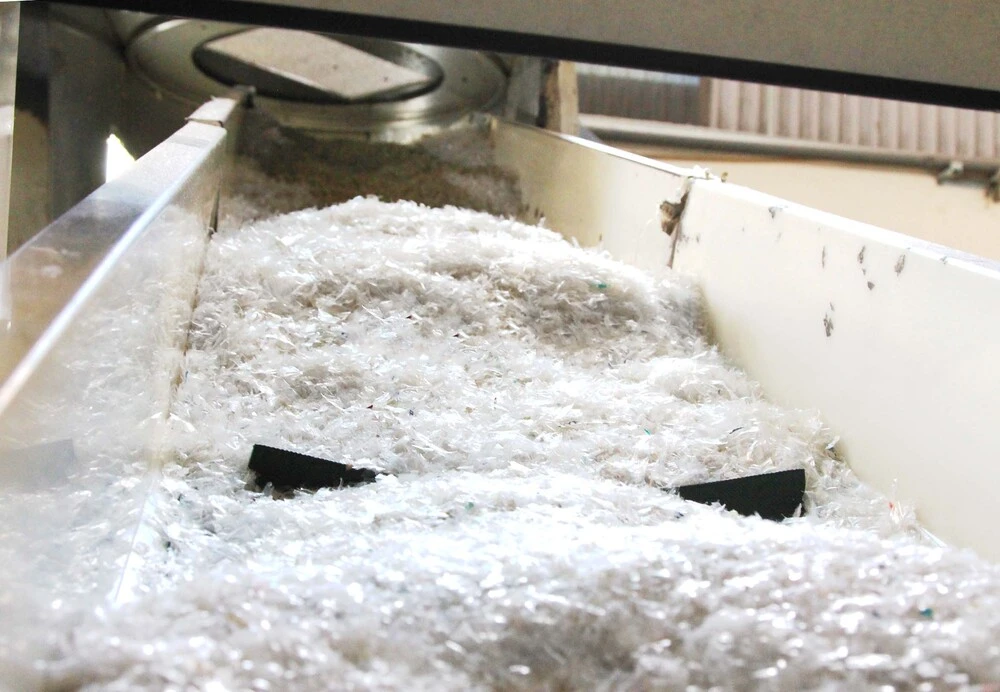
PCR Material (Regrind): Every supply sourced from the community undergoes a stringent quality audit to ensure PP polymer dominance. We implement a precise sorting process to eliminate non-PP contaminants before entering the regeneration phase.
PIR Material (Internal Scrap): As pure, exclusively controlled production remnants, this material maintains high purity levels and is directly routed to the granulation (palletizing) process, eliminating any risk of cross-contamination.
2. Advanced Washing & Dual Purification Technology
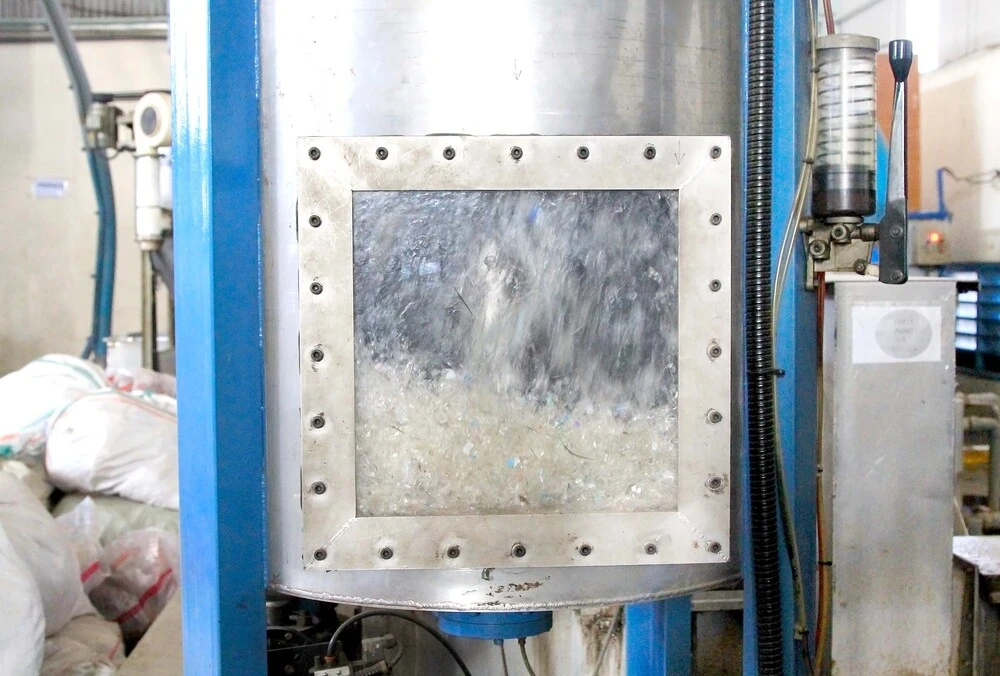
Qualified regrind undergoes intensive cleaning through two stages of density-based separation:
Flotation Stage: Utilizing specific gravity to separate plastic fractions, effectively isolating pure PP polymers from foreign materials.
Micro-Cleaning: Special attention is given to powder residues with an extra washing cycle to guarantee maximum cleanliness before the drying phase.
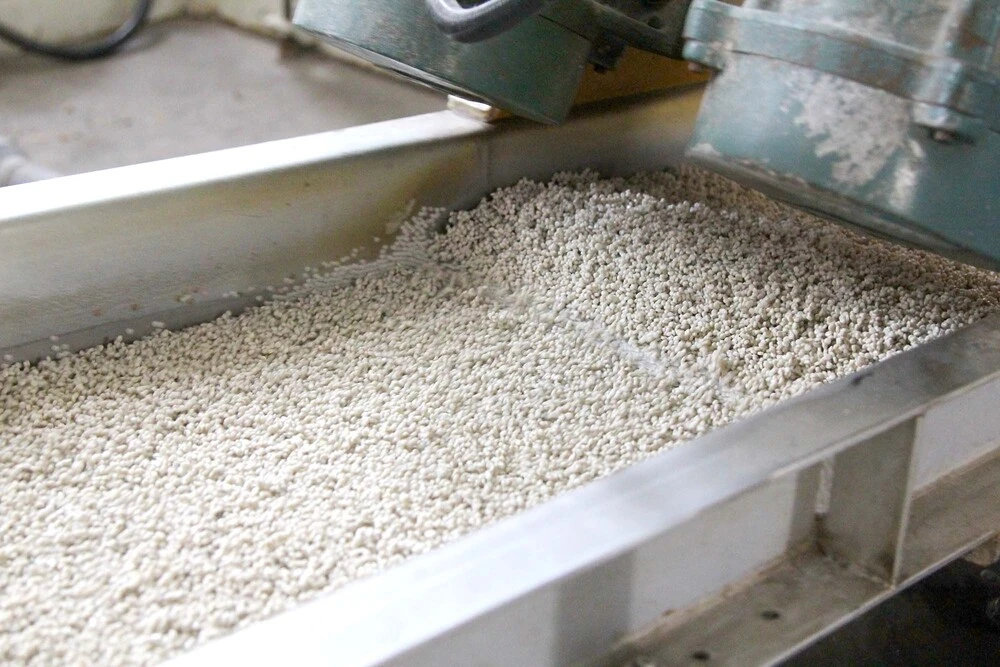
3. Granulation (Palletizing) & Quality Classification
Following purification and drying, the material is processed through palletizing machinery to be transformed into premium plastic resins. The final output is meticulously classified based on grade and the specific requirements of the end-product application.
Closing the Production Loop: These recycled resins are seamlessly reintegrated into our woven bag production line. Through this closed-loop system, SMPL doesn’t just reduce waste—we create a truly sustainable product lifecycle.
Creating More Value: Converting 195 Tons of Waste into Opportunity
At SMPL, our commitment to sustainability is a pledge to future generations. Every month, we shoulder the immense responsibility of processing approximately 195 tons of plastic waste—transforming potential pollutants back into functional, high-value raw materials.
Why This Impact Matters
Implementing a circular economy model within plastic packaging sustainability creates ripples that reach far beyond production metrics:
Ecosystem Restoration: By maintaining a 7-ton daily throughput, we actively divert waste from landfills and prevent long-term environmental degradation.
Public Health & Well-being: A plastic-free environment is the foundation of a healthy society. We strive to mitigate the health risks associated with plastic pollution within our operational regions.
Strategic Community Partnerships: By sourcing waste from local collection networks, we build resilient economic partnerships, empowering communities and improving the collective quality of life.
SMPL: Building Business Foundations on Environmental Integrity We believe that visionary companies are those capable of aligning profitability with moral responsibility. For us, sustainability is no longer an optional add-on; it is the DNA embedded in every product we manufacture.
Future Horizons: Redesigning the Standards of Sustainability
At PT Sinar Mulia Plasindo Lestari (SMPL), our focus extends beyond waste management. As a vital part of our long-term vision for sustainability, we are dedicated to optimizing the technical specifications of our woven sacks to create a perfect harmony between high-performance functionality and environmental responsibility.
Why Optimization is the Key to the Future
We believe that plastic packaging sustainability begins at the design stage. By implementing advanced down-gauging—reducing plastic material use with maximum efficiency—we are committed to:
Resource Efficiency: Reducing our reliance on virgin plastic resins through smarter, more innovative PP material structures.
Eco-Conscious Products: Crafting plastic sacks with a significantly cleaner environmental profile without compromising the durability or quality of the final product.
Regulatory Compliance: Future-proofing our product standards to meet increasingly stringent global “green” regulations and sustainability benchmarks.
This strategic move reflects SMPL’s resolve to be more than just a manufacturer; we are a visionary solution partner dedicated to realizing a true, resilient circular economy.